Best Dry Pants for Kayak Fishing: What Actually Seals, and What Only Looks Like It Does.
Chest waders are cut for standing in a river, not sitting in a kayak, which is why so many anglers end up looking for pants instead. But the search results mix two different garments: true dry pants, which seal at the waist and have waterproof socks built in, and wading pants, which have a belt and stockingfeet. One keeps water out if you go in. The other does not. This guide separates them, using each manufacturer's published specifications rather than a score.
Dry Pants vs. Chest Waders: Why Kayakers Choose Pants
The question we get most often. Here's an honest head-to-head across every category that matters when you're fishing from a sit-on-top kayak.
Chest Waders
LosesShoulder straps and extra chest material bunch up painfully at your midsection when seated in a kayak. After 2 hours, you're constantly adjusting and shifting just to stay comfortable.
Sitting Comfort
The design evidence is on the pants' side here: NRS builds the Freefall with a lengthened gusseted crotch and articulated knees specifically for the seated position, which is not something chest waders are cut for. Waders are patterned for standing in current.
Dry Pants
WinsStop at the waist and move with your body. Full range of motion for casting, paddling, and reaching into your tackle box. You forget you're even wearing them.
Dry Pants and Wading Pants for Kayak Fishing
Two of these seal at the waist and two do not. Specifications below are the manufacturers' own.
Kokatat Tempest Pant with Socks (Hydrus 3.0)
The Reference Point for Kayak Anglers
This is the pant Kokatat itself describes as popular with kayak anglers, and it is a true dry pant rather than a wading pant. Hydrus 3.0 is a three-layer laminate: tough nylon face with a DWR finish, a micro-porous polyurethane barrier, and a knit polyester liner against the skin. The integrated socks are made from the same fabric with gravel guards at the ankle, seams are factory-sealed, and the whole garment carries Kokatat's limited lifetime warranty on materials and workmanship. The wide neoprene waistband with hook-and-loop tabs is the part that matters: it is a seal, not a belt, and it can be mated to a double-tunnel dry top to close the system completely.
Kokatat recommends pairing these with a double-tunnel dry top, and that advice is worth taking literally: worn alone the pant is dry to the waistband, and the tunnel is what turns two garments into one sealed system. If you fish cold water from a sit-on-top, that is the configuration to buy toward rather than the pant on its own.
California Coast · Oregon Rivers · Florida Kayak Bass · Great Lakes
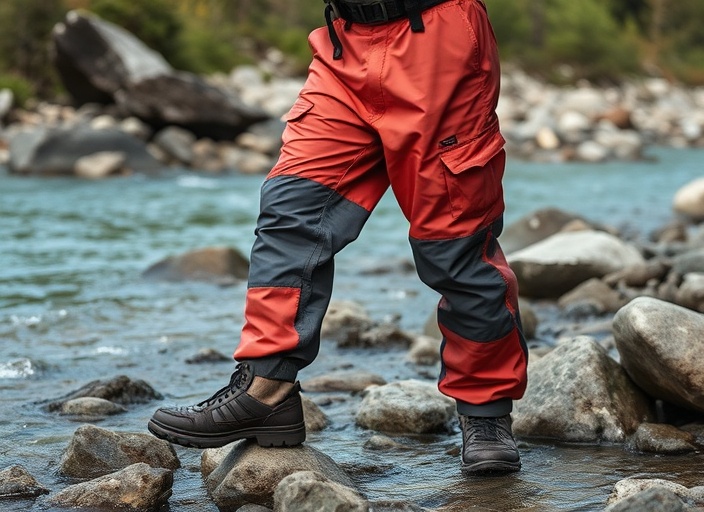
NRS Freefall Dry Pant
Built Around the Way You Sit in a Kayak
The Freefall is the pant NRS points anglers at, and its design decisions are all about the seated position: a lengthened, gusseted crotch and articulated knees so the garment is not fighting you when you are sitting rather than standing. Construction is EclipseLT fabric with fully taped dry socks and an adjustable hook-and-loop overcuff, with an extra layer of the same fabric over the seat and knees — the two places a kayak angler wears through first. The waist is an 8-inch nylon tunnel above a 3-inch neoprene hook-and-loop closure, so it seals alone and mates with a dry top for full immersion protection.
Note that NRS also sells a Sidewinder Dry Bib. It is a bib, not a pant — the extra torso coverage seals higher but costs you the ability to shed the top half on a warm afternoon. If you have seen the Sidewinder recommended as "dry pants" somewhere, that is the mix-up.
Washington · Oregon Coast · Alaska · Great Lakes Late Season
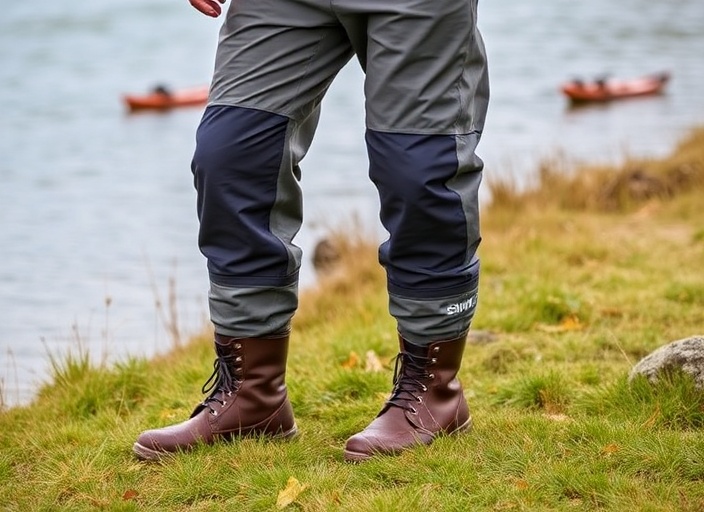
Simms Freestone Wading Pants
For Standing in Water, Not for Swimming in It
Read the category line before the features. This is a wading pant: Simms builds it for warm days where chest waders are overkill, with a stretch elastic wading belt rather than a sealing waistband. It will keep you dry standing in water and shrug off paddle drip, and it is genuinely good at that — Toray QuadraLam four-layer fabric top to bottom, anatomically shaped neoprene stockingfeet, built-in gravel guards, hip pockets and a gusseted zippered fly. What it will not do is keep water out if you go in, because a belt is not a seal. For a kayak angler that distinction is the whole decision.
The honest use case: you fish from a kayak on warm, calm water and you also wade a trout stream, and you would rather own one garment than two. That is a real and common situation, and the Freestone serves it well. It is not the answer for cold water or rough launches.
Montana Streams · Colorado · Tennessee Rivers · Kayak + Wading Combo
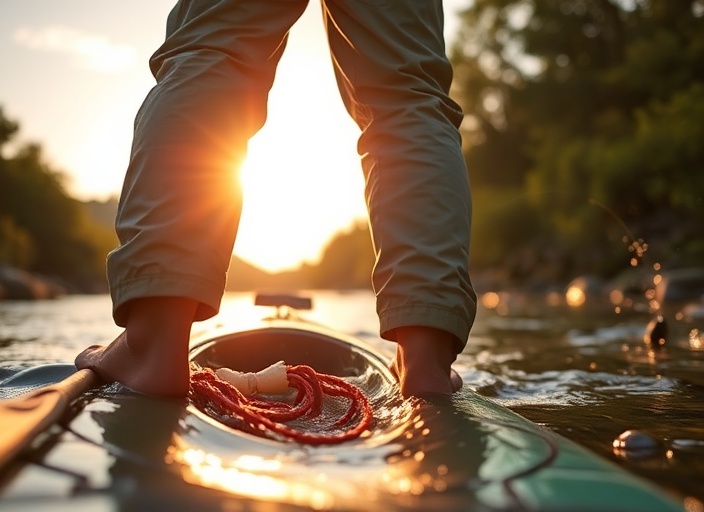
Patagonia Swiftcurrent Wading Pants
The Breathable End of the Wading-Pant Range
Same category caveat as the Simms: a wading belt, not a seal. Within that category the Swiftcurrent is the choice for anglers who overheat. The shell is Patagonia's H2No Performance Standard in 100% recycled polyester with a DWR finish, built with single-seam construction to cut the number of places that can wear or leak, and the gravel guards carry extra abrasion patches on the inside of the leg where boots rub. Hip pockets and an adjustable wading belt round it out. Good for hot-weather flats and calm-water paddling; not immersion protection.
On genuinely hot days the more useful comparison is not against other wading pants but against wet wading — quick-dry pants and boots, no membrane at all. If your water is warm and you are not worried about sun or oyster shell, that is a legitimate answer and it costs nothing.
Florida · Texas Gulf Coast · Baja California · Summer Kayak Fishing
Feature & Dryness Level Comparison
Manufacturer specifications, side by side. No scores — nothing here was tested by us.
| Feature | Kokatat Tempest | NRS Freefall | Simms Freestone | Patagonia Swiftcurrent |
|---|---|---|---|---|
| Category | Dry pant | Dry pant | Wading pant | Wading pant |
| Waist Closure | Neoprene band, hook-and-loop | 8" tunnel + 3" neoprene | Stretch elastic belt | Adjustable wading belt |
| Seals for Immersion | Yes (with dry top) | Yes (with dry top) | No | No |
| Feet | Integrated fabric socks | Taped fabric socks | Neoprene stockingfeet | Stockingfoot + gravel guards |
| Fabric | Hydrus 3.0 (3-layer) | EclipseLT | Toray QuadraLam (4-layer) | H2No, recycled polyester |
| Reinforcement | Factory-sealed seams | Extra layer, seat + knees | Built-in gravel guards | Single-seam construction |
| Warranty | Limited lifetime | Manufacturer warranty | Simms warranty | Ironclad Guarantee |
Dry Pants vs Wading Pants — the Difference That Matters
Most “best dry pants” lists mix these two categories without saying so
Paddling garments. A wide neoprene waistband or a nylon tunnel closes against the body, and waterproof socks are built into the legs, so the garment is a closed system from waist to toe. Mated to a double-tunnel dry top it seals completely. This is what keeps you dry in a swim, and it is why both Kokatat and NRS tell you to pair the pant with a top.
Buy these for cold water, surf launches, or anywhere a capsize is a realistic possibility rather than a remote one.
Fishing garments. A belt at the waist, not a seal, and neoprene stockingfeet meant to go inside wading boots. They keep you dry standing in water and handle paddle drip and spray without complaint, which covers a great deal of warm-water kayak fishing.
What they cannot do is keep water out when you go in. A belt slows the inflow; it does not stop it. Treat them as comfort gear, not as safety gear.
Neither category is a flotation device. Whatever you wear from the waist down, wear a PFD.
What to Wear Underneath
Dry pants are only one layer of the system. Here's exactly what to wear under them — by water and air temperature.
Pulls sweat away, prevents chafing, sun protection on exposed legs when wading.
Maximum breathability for hot conditions. Go with the lightest 3L fabric available.
Over the built-in fabric socks. Protects the sock membrane on rocky launches.
You'll regret skipping this. Kayak fishing means 6+ hours of direct sun reflection off water.
Adam Smith Safety Check
How to Not "Flood" Your Pants
Always look for a wide neoprene "chimney" waist seal — this is the most important feature on any dry pant.
Wear a wading belt OVER the dry pants in rough water (California coast, river kayaking). It creates a double seal that buys you time in a capsize.
Moisture-wicking leggings underneath ONLY. Never wear jeans — they soak up sweat and make you dangerously cold after a swim.
Cold Shock Rule: if water temp is below 60°F, treat every paddle trip as a potential swim. Gear up accordingly.
Carry a small seam-seal repair kit. A cracked seam mid-trip means soaked legs. $8 fix that saves the day.
Cold Water Warning: In water below 50°F, cold shock can incapacitate you in under 3 minutes. Always wear a PFD. No exceptions.
Complete Your Kayak Fishing Setup
Dry pants are step one. Here's what Adam Smith recommends next.
Show us your kayak rig!
Tag us on Instagram →Best Fishing Kayaks for Big Guys
Find the right sit-on-top to pair with your new dry pants setup.
California Fishing Guide
Coastal kayak fishing spots where dry pants are non-negotiable.
Full Gear Hub
Every rod, reel, line, and apparel guide on FishingGears.org.
Saltwater Hooks Guide
Complete your inshore kayak setup with the right terminal tackle.